

mirror glass colour design
Understanding the Main Water Valve A Key Component in Home Plumbing The main water valve is an essential element in residential plumbing systems, serving as the gateway to water supply for the entire household. Located where the main water line enters the home, this valve plays a critical role in controlling the flow of water, preventing leaks, and ensuring the overall safety of water usage in households. In this article, we will explore the function of the main water valve, how to identify it, and the procedures for properly operating and maintaining this vital component. What Is the Main Water Valve? The main water valve is a valve that regulates the amount of water flowing into a home from the municipal water supply. Typically made from materials like brass, copper, or PVC, the main water valve can take various forms, with the most common types being gate valves and ball valves. Gate valves have a wheel that needs to be turned to open or close the valve, while ball valves use a lever that can be flipped to control water flow quickly. Knowing which type you have is crucial in emergency situations. Why Is the Main Water Valve Important? The main water valve serves several important functions. First and foremost, it allows homeowners to shut off the water supply during plumbing emergencies, such as a burst pipe or a leaking appliance. This capability can prevent extensive water damage and expensive repairs. Additionally, the valve is instrumental during plumbing installations, maintenance, or emergencies, ensuring that no water flows while work is being performed. Moreover, in regions where water may experience contamination or where the supply might be affected by natural disasters, being able to quickly shut off the main valve can protect the health and safety of all household members. By limiting the access to water during these crises, homeowners can mitigate risk. Locating Your Main Water Valve Finding your main water valve is the first step to ensuring you can manage your water system effectively. In most homes, the valve is located near the perimeter of the house where the main water line enters . Common locations include basements, crawl spaces, or even outside walls. If you have trouble locating it, follow the main water line from the street; it usually leads directly to the valve. main water valve Generally, the main valve can be identified by its size and the fact that it is connected to the water line. If you're uncertain, consult your home’s plumbing blueprint or seek assistance from a professional plumber. Operating the Main Water Valve Operating the main water valve is relatively straightforward and should always be done cautiously. To close the valve, turn the handle clockwise (right). Depending on the type of valve, it may require several turns to fully shut off the water supply. To open the valve, turn the handle counterclockwise (left). Always ensure that you operate the valve slowly to prevent sudden pressure changes that may damage your plumbing system. Maintenance and Precautions Regular maintenance of the main water valve is crucial to ensure its proper functioning. Homeowners should periodically check for leaks around the valve and confirm that it operates smoothly. If the valve is stiff or difficult to turn, it may require lubrication or replacement. It is also wise to periodically test the valve by turning it off and on to ensure that it is not stuck. When dealing with the main water valve, always keep safety in mind. Wear protective clothing when operating the valve and ensure that you have necessary tools on hand, such as a wrench. If you encounter significant resistance, or if the valve does not operate as expected, it’s advisable to contact a licensed plumber for assistance. Conclusion In summary, the main water valve is a critical component of any plumbing system, providing control over the water supply and playing a vital role in emergency management. By understanding its functionality, location, and maintenance needs, homeowners can better prepare for potential plumbing issues, ensuring the safety and efficiency of their water systems. Regular inspections and proactive care of the main valve can significantly reduce the risk of water damage and costly repairs, making it an essential element of responsible home ownership.
about
mirror glass colour design
Tipos de Válvulas de Control y sus Aplicaciones Las válvulas de control son dispositivos esenciales en el ámbito de la ingeniería y la automatización industrial. Se utilizan para regular el flujo, la presión y la temperatura de los fluidos en sistemas de tuberías. La elección del tipo adecuado de válvula de control es fundamental para asegurar la eficiencia y el funcionamiento óptimo de cualquier proceso. A continuación, se presentan los tipos más comunes de válvulas de control y sus aplicaciones. 1. Válvulas de Glóbulo Las válvulas de glóbulo son una de las más utilizadas en aplicaciones de control de flujo. Se caracterizan por su cuerpo esférico y su disco de cierre que se mueve perpendicularmente al flujo. Estas válvulas ofrecen una buena capacidad de control y son ideales para aplicaciones que requieren un manejo preciso del flujo, como en sistemas de refrigeración, calefacción y en procesos químicos. Su diseño permite un fácil mantenimiento, lo que las hace populares en muchas industrias. 2. Válvulas de Mariposa Las válvulas de mariposa son otra opción común en el control de flujo. Su diseño consiste en un disco que gira alrededor de un eje, permitiendo así abrir y cerrar el paso del fluido. Son especialmente adecuadas para aplicaciones donde el espacio es limitado, como en tuberías de diámetro grande. Estas válvulas son fáciles de operar y, debido a su construcción, ofrecen una baja resistencia al flujo, lo que las hace adecuadas para sistemas de gran caudal, como en la industria del agua y aguas residuales. 3. Válvulas de Achique Las válvulas de achique, también conocidas como válvulas de compuerta, son utilizadas principalmente en aplicaciones que requieren el cierre total del flujo. Su diseño permite un paso completamente despejado cuando se encuentran en la posición abierta. Aunque no son ideales para el control preciso del flujo, son muy efectivas en situaciones donde se necesita cortar o permitir el flujo de manera rápida, como en sistemas de drenaje y en aplicaciones industriales donde se requiere un control de flujo mínimo. 4. Válvulas de Diafragma control valve types and applications Las válvulas de diafragma son ideales para aplicaciones que requieren un control preciso de fluidos corrosivos o contaminantes. Estas válvulas utilizan un diafragma flexible para abrir y cerrar el flujo. Este diseño no solo proporciona un control eficiente, sino que también minimiza el riesgo de contaminación, haciendo de esta válvula una elección popular en la industria farmacéutica y alimentaria. Su capacidad para manejar fluidos agresivos las convierte en una herramienta esencial en diversas aplicaciones químicas. 5. Válvulas de Bola Las válvulas de bola son conocidas por su capacidad para ofrecer un cierre hermético. Están compuestas por una bola perforada que gira en su interior, permitiendo el paso del fluido. Aunque su función principal es permitir o bloquear el flujo, también se utilizan en aplicaciones de control debido a su rapidez de operación y su capacidad para manejar altas presiones y temperaturas. Son comúnmente empleadas en la industria del petróleo, gas y agua. Aplicaciones de las Válvulas de Control Las válvulas de control se utilizan en una amplia variedad de aplicaciones industriales. Algunos de los sectores donde su implementación es crucial incluyen - Industria Química Para regular la mezcla de reactivos y controlar el flujo de productos químicos a través de las plantas. - Tratamiento de Aguas En sistemas de tratamiento, filtración y distribución de agua potable. - Industria Alimentaria Para controlar la temperatura y flujo de productos durante el procesamiento y envasado. - Centrales Eléctricas En turbinas y sistemas de refrigeración donde el control de temperatura y presión es crítico. Conclusión La elección de la válvula de control adecuada depende de varios factores, incluida la naturaleza del fluido, el rango de presión y temperatura, y las necesidades específicas de control. Entender los diferentes tipos de válvulas y sus aplicaciones ayuda a optimizar el rendimiento de los sistemas industriales, garantizando no solo eficiencia sino también seguridad en las operaciones. Con el avance de la tecnología, las válvulas de control continúan evolucionando, ofreciendo soluciones más sofisticadas para los desafíos industriales actuales.
-

High quality industrial productsagement

High quality industrial products
View Details -

Meet the diverse needs of customers

Meet the diverse needs of customers
View Details -

Strict quality control

Strict quality control
View Details -

Top raw materials

Top raw materials
View Details -

Trusted supplier

Trusted supplier
View Details
Our application


news and information
Versatile Ground Anchor Solutions for Securely Supporting Adjustable Structures and Outdoor Installa
Understanding Adjustable Post Ground Anchors A Comprehensive Guide In the field of construction and
water check valve
Understanding Water Check Valves Function, Types, and Importance Water check valves play a crucial r
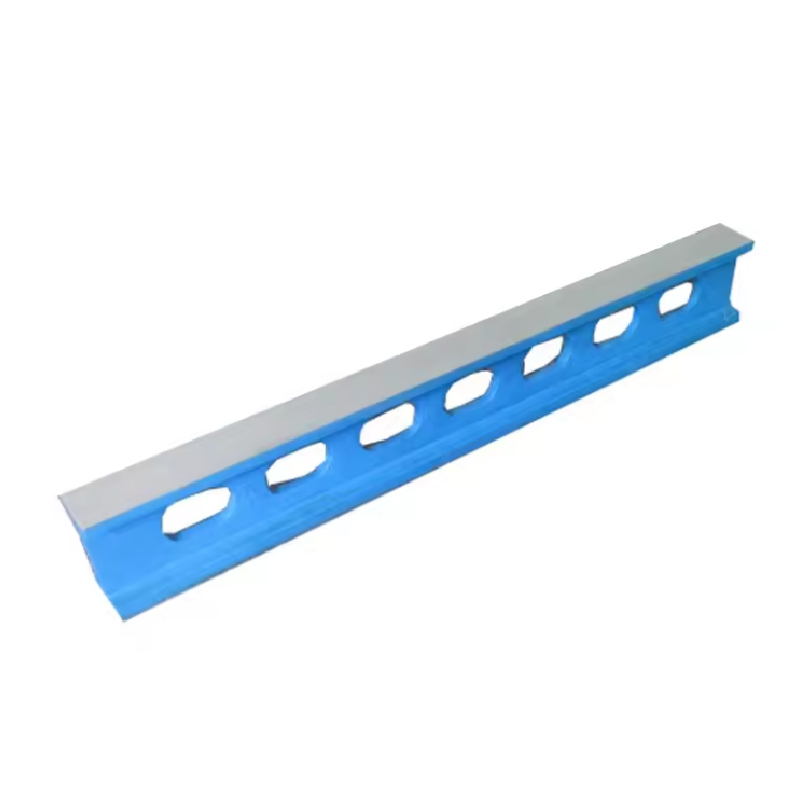
Versatile 4x4 Welding Table for Precision Fabrication and Metalworking Projects
The Versatility and Benefits of a 4x4 Welding Table In the world of metalworking and fabrication, th
 English